Weekly Posts and Insights
The Leadership Shift: Renew Yourself, Raise Your Altitude
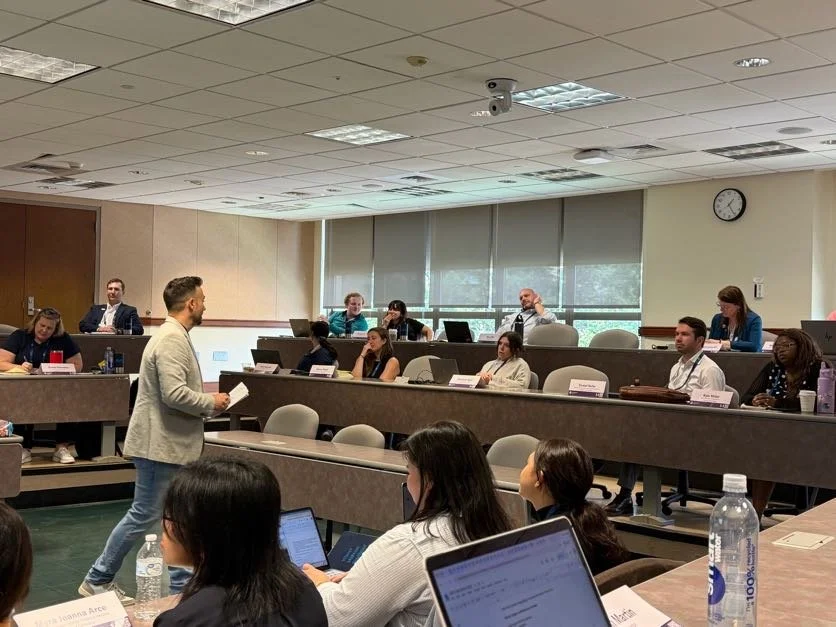
This past week, I returned to the U.S. Chamber of Commerce’s Institute for Organization Management as a faculty member at the Northeast Institute. Across the courses, I had the opportunity to work with more than 90 chamber, association, and nonprofit leaders, and I learned as much from your questions, stories, and experiences as I hope you learned from me.
We covered delegation, empowerment, organizational relevance, and innovation. Yet two ideas seemed to resonate most deeply with you all:What is the personal cost of leadership for you? Are you still working as an operator when your organization now needs you to become a strategist?
Why Roundtables Build Better Leaders
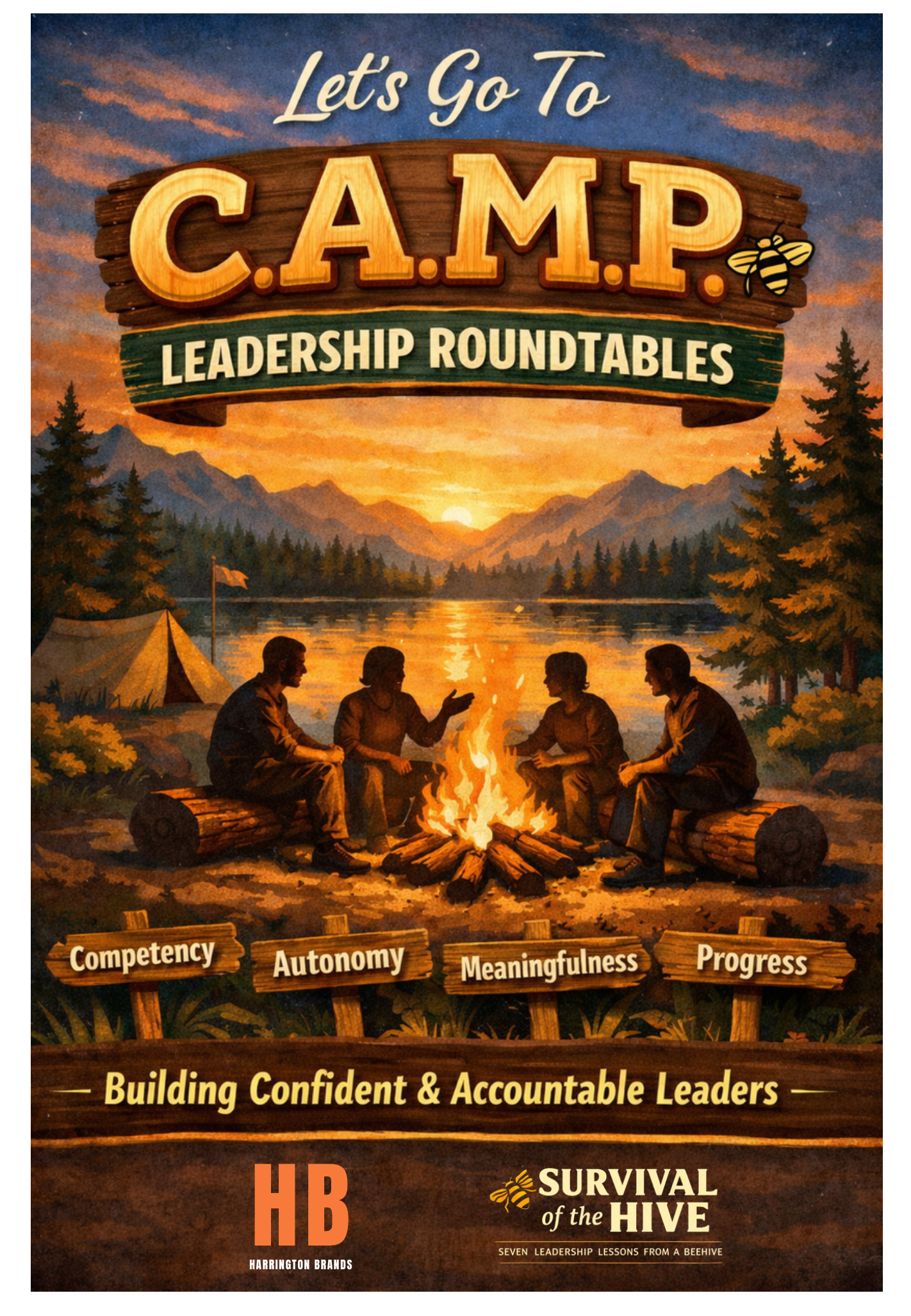
That’s why the leadership roundtable model has become one of the most powerful tools we use at Harrington Brands. It blends short-form training, peer coaching, facilitated discussion, journaling, reflection, accountability work, practical experiments, and real-world leadership application into one integrated experience. The result? Leadership development that actually sticks.
Don’t Empower Too Early
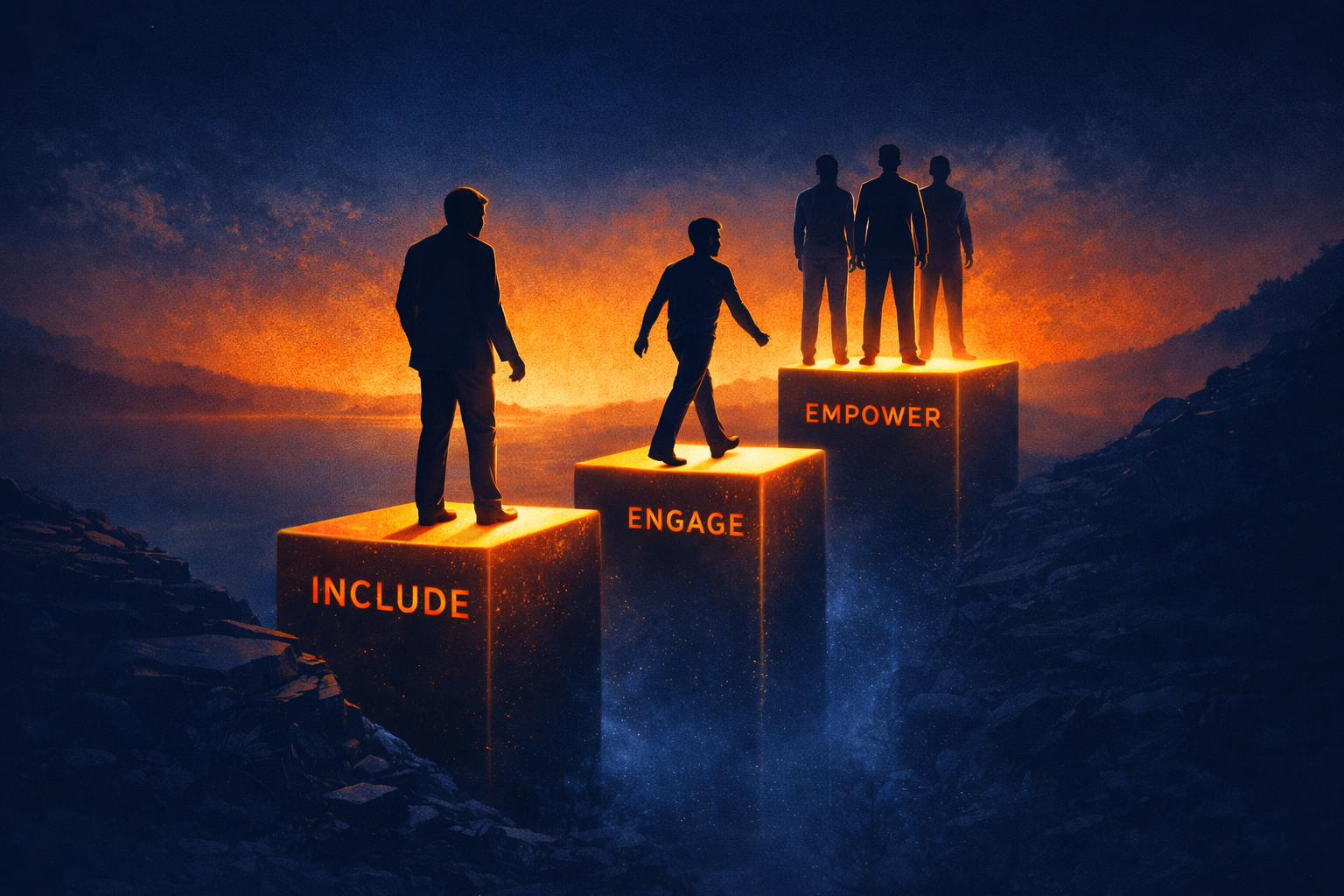
Real empowerment is not the first move of leadership development. It is the earned result of a process. First, we include people in meaningful spaces. Then we engage them in real work with support. Then, over time, we empower them to own it. That is how mature workers are formed. That is how confidence becomes competency. And that is how leaders stop mistaking exposure for readiness.

From Introspection to Team Development to Building a Vision Your Team Can Get Behind: How I Coach Leaders
Talented leaders come into the New Year energized but unsettled. They know something needs to change — how they lead, how their team functions, how their organization operates — however they can’t quite name what or how. They’ve read the books. They’ve attended the workshops. They’ve set goals before. And yet, the same friction shows up again. This is exactly why I coach the way I do.

The Leadership Growth Lattice for Your Learning and Development Efforts
According to LinkedIn’s 2024 Workplace Learning Report, employees are more likely to stay at a company that invests in their learning and development—a key strategy as 90% of organizations express concern about retention. The Leadership Growth Lattice offers a simple yet holistic approach, blending job training, mentorship, and leadership development to create multiple pathways for professional growth.

The Leader as a Gardener of People: Maturity
The final stage of development, Maturity, represents team members who have high aptitude and attitude, capable of bearing fruit and mentoring others. Leaders should empower these individuals by delegating responsibilities and encouraging them to guide those in earlier stages, like the Adolescent follower. By assessing and strategically supporting each team member's growth, leaders can cultivate a thriving and productive environment where everyone can flourish.

The Leader as a Gardener of People: Disgruntled Stage
The "Disgruntled" stage in a follower’s development mirrors the secondary growth phase of plants, where individuals become experienced but may harbor negative attitudes and exhibit inconsistent behavior. These team members often have high aptitude but are susceptible to negativity, which can impact both their performance and the morale of others. Leaders must address these behaviors through open communication, setting clear expectations, and providing opportunities for growth to help them re-engage positively with the organization.
The Leader as a Gardener of People: Adolescent Stage
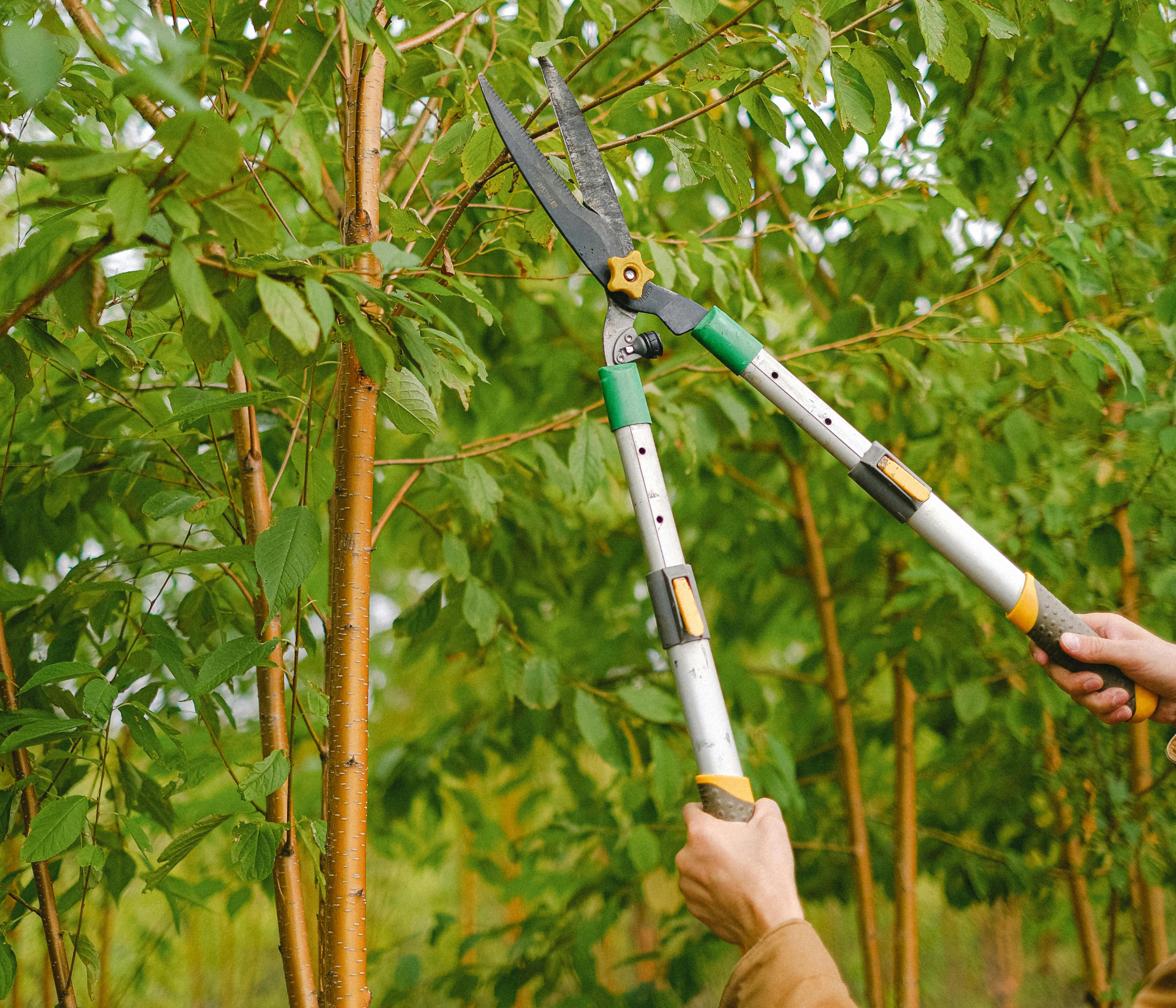
The "Adolescent" stage of follower development, akin to the teenage years, is a critical period where initial enthusiasm fades, and individuals start testing boundaries while seeking greater responsibility. Leaders must adopt a coaching approach that balances support and accountability, addressing behaviors that don’t align with organizational values, reinforcing early wins, and consistently adhering to established boundaries and goals. By proactively coaching and maintaining a positive environment, leaders can help their team members navigate this transitional phase and continue their growth into confident, competent contributors.

The Leader as a Gardener of People: Seedlings
The post compares leadership to gardening, focusing on how leaders must nurture "seedlings"—new employees or followers—by providing guidance, support, and the right environment for growth. It emphasizes the importance of adapting leadership styles to meet the developmental needs of these individuals, particularly during their early stages. By understanding the balance between aptitude and attitude, leaders can effectively cultivate and develop their team's potential.

No, You're Not Supposed To Be The Most Dominate Voice In The Room: The Leader as a Facilitator
A top-level community leader excels by facilitating team interactions rather than dominating discussions. Their focus should be on managing the process and relationships within the team, allowing team members to share content and ideas. Like a conductor guiding an orchestra, a leader's role is to support collaboration, ensure balanced participation, and create an environment where everyone feels heard and valued.