Weekly Posts and Insights
Leading When No One Has to Listen to You: What volunteers have taught me about leadership, trust, and the limits of authority
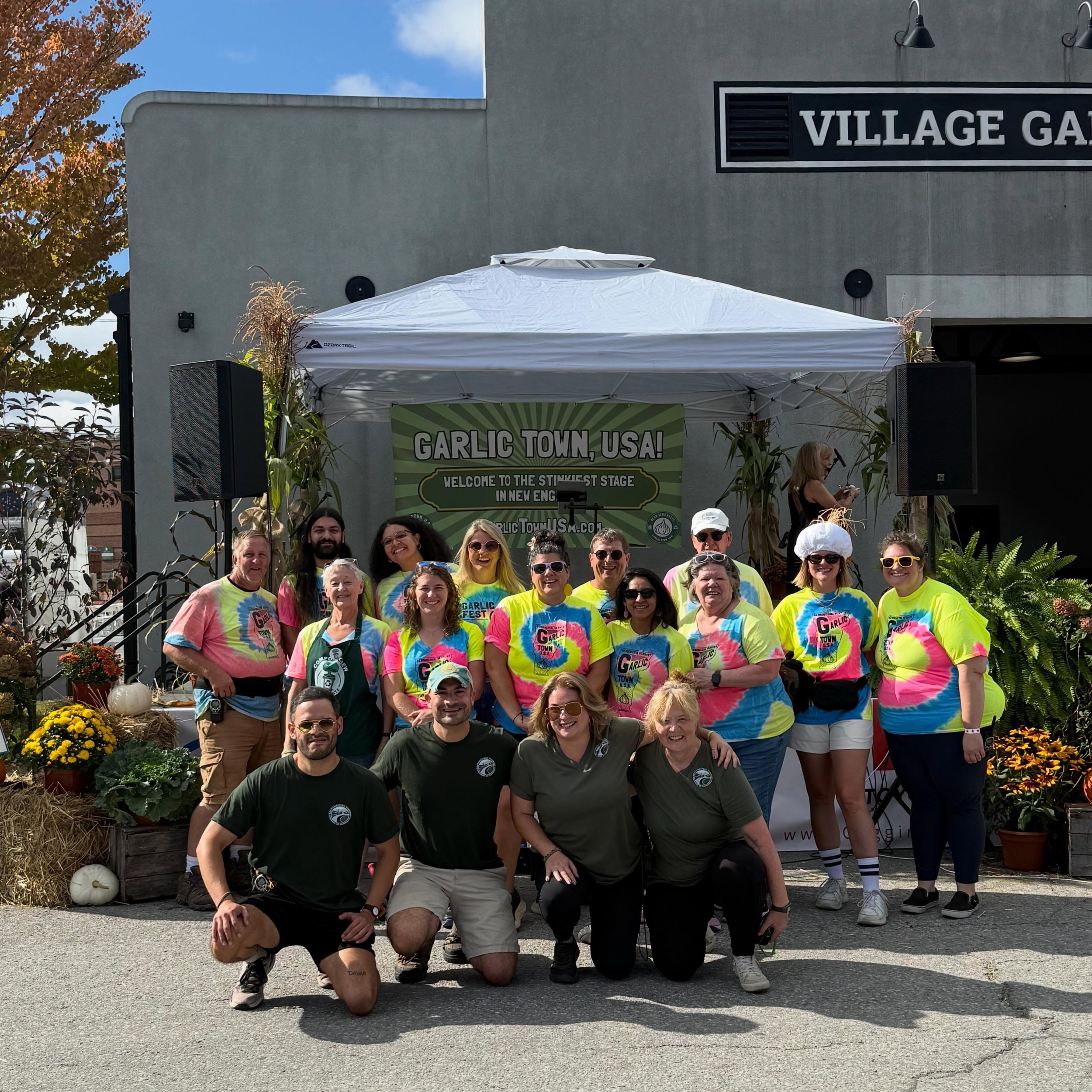
For much of my career, I have lived at the intersection of professional management and volunteer leadership. As CEO of a Chamber of Commerce, I work with boards, committees, community leaders, event volunteers, business owners, and civic partners. Through Harrington Brands, I also train supervisors, employees and leaders. The longer I do this work, the more convinced I become that leading volunteers (unpaid people) is one of the purest tests of whether someone can actually lead, because the people in front of you are not being paid to listen to you!
How Do We Build Organizations That People Still Want To Belong To, Contribute To, and Lead - What I’m Teaching at Institute This Week
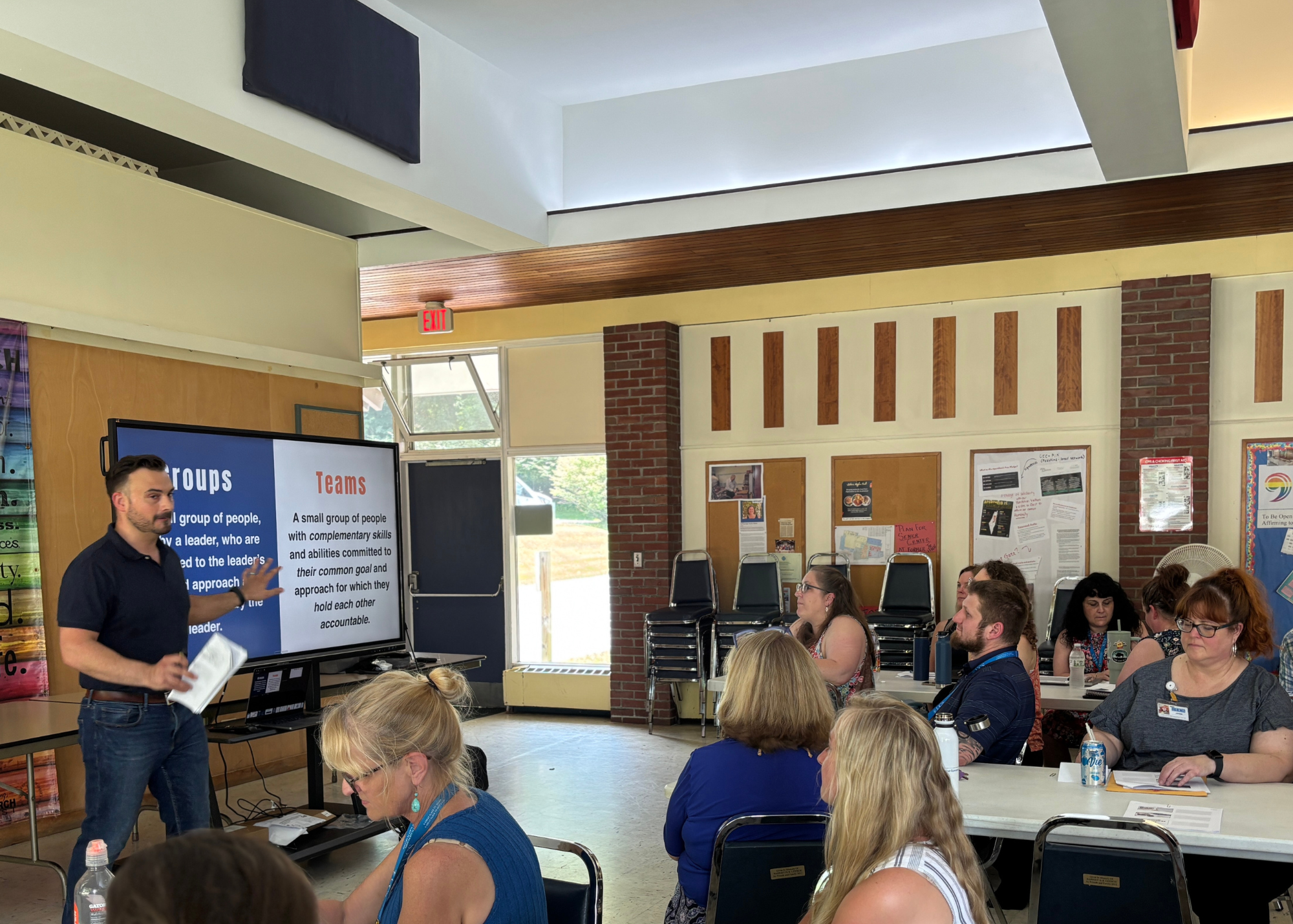
I am returning to Northeast Institute for Organization Management as a faculty member, teaching four courses that, on the surface, address different parts of organizational leadership: membership, organizational relevance, delegation, and innovation. Yet, despite the range of experience in the room and the different subjects I’ll be teaching, all four courses are asking versions of the same question: How do we build organizations that people still want to belong to, contribute to, and lead?

Leadership in the Age of Sarcasm, Irony, and Snark
In a culture that rewards “hot takes” and cheap certainty, leaders have to widen the room for complexity again. Not by sounding smarter, but by staying steadier. By being willing to say, calmly, “This is more complicated than it appears. We need to listen longer. Both things may partially be true. We can disagree without dehumanizing.” That kind of leadership probably won’t win the comment section. But it will build real trust in the real rooms that matter.

The thinking extrovert needs a break too
Thinking-oriented extroverts often engage externally while processing internally. They may love presenting ideas publicly, debating concepts, facilitating teams, or leading organizations, but afterward they frequently need significant solitude to mentally recover. Not because they dislike people, but because thinking itself requires space.

Not Every Door Opens With the Same Key
One of the quiet frustrations of growth is assuming that one breakthrough person, one hard conversation, one book, or one season of insight should unlock everything in us. It rarely works that way. More often, growth happens like walking through an old house with a ring of partial keys. One key opens the door to better boundaries. Another opens emotional regulation. Another reveals grief, agency, confidence, or the courage to stop becoming someone you were never meant to be.

Lead Within: The Art of Changing Systems Without Losing People
Most leaders eventually face the same tension: Do I spend my energy attacking the system from the outside, or changing it from the inside? This week’s Brief is about that difficult middle space, the space between idealism and pragmatism. The strongest leaders do not confuse patience with passivity, nor conviction with chaos. They learn the system they are in, understand its pressure points, and steadily move people toward a better future without losing the trust of those still living in the present one.

Accountability Makes People Uncomfortable
HB Weekly Leadership Brief
Week of March 9, 2026
Every organization eventually reaches a moment where the systems are in place, the plans are written, and the resources have been invested — yet progress still stalls. At that point, the issue is rarely about strategy. It is leadership.

From Introspection to Team Development to Building a Vision Your Team Can Get Behind: How I Coach Leaders
Talented leaders come into the New Year energized but unsettled. They know something needs to change — how they lead, how their team functions, how their organization operates — however they can’t quite name what or how. They’ve read the books. They’ve attended the workshops. They’ve set goals before. And yet, the same friction shows up again. This is exactly why I coach the way I do.

Tuckman’s Team Development Wheel, Revisited — Part 4: The Performing Stage
Explore the Performing stage of Tuckman’s Team Development Model and learn how high-performing teams achieve shared accountability, distributed leadership, and continuous improvement. This post blends modern research on psychological safety, shared leadership, and team resilience with practical strategies for leaders and coaches to sustain peak performance, empower teams, and navigate inevitable change without losing momentum.

Tuckman’s Team Development Wheel, Revisited — Part 3: The Norming Stage
Explore the Norming stage of Tuckman’s Team Development Model, where teams shift from conflict to cohesion and begin choosing collaboration over individuality. This post blends team-building methods with modern research on psychological safety, accountability, and shared mental models to explain how teams stabilize, strengthen trust, and build the foundation for high performance. Learn key coaching strategies for supporting autonomy, reinforcing positive norms, and guiding teams toward the Performing stage.