Weekly Posts and Insights

The Hidden Chain Behind Innovation and Conflict
Innovation, by its very nature, requires disagreement. It requires uncertainty. It requires people saying things out loud that may not work, may not be popular, or may challenge the status quo. And the moment human beings begin challenging assumptions, introducing new perspectives, or pushing against old ways of thinking, something naturally appears: conflict.
The thinking extrovert needs a break too
Thinking-oriented extroverts often engage externally while processing internally. They may love presenting ideas publicly, debating concepts, facilitating teams, or leading organizations, but afterward they frequently need significant solitude to mentally recover. Not because they dislike people, but because thinking itself requires space.

Accountability Makes People Uncomfortable
HB Weekly Leadership Brief
Week of March 9, 2026
Every organization eventually reaches a moment where the systems are in place, the plans are written, and the resources have been invested — yet progress still stalls. At that point, the issue is rarely about strategy. It is leadership.
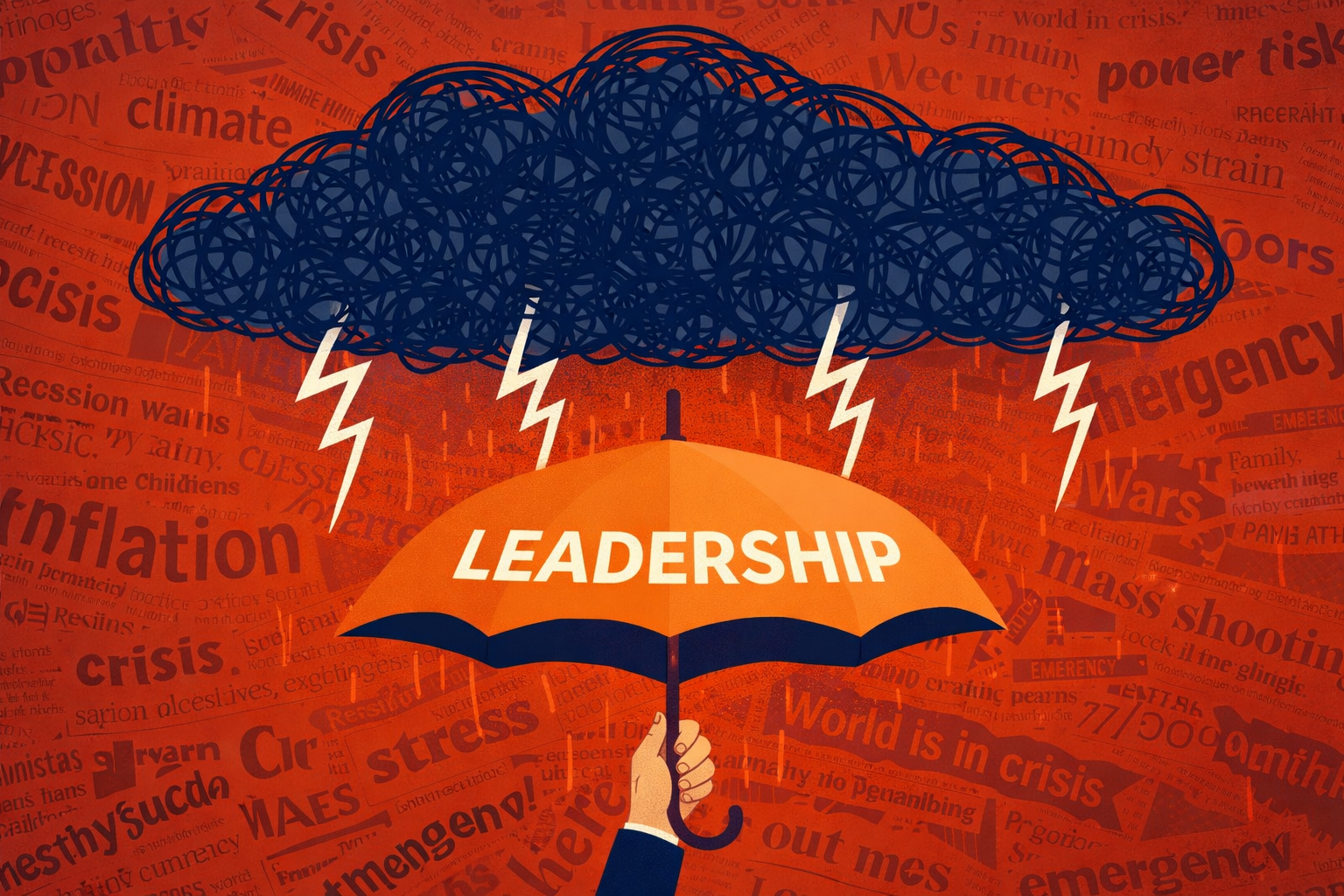
Leading in a Loud World
A week or so ago, my wife sent me an Instagram clip featuring Sharon McMahon, #1 New York Times bestselling author, civics educator, and creator of The Preamble newsletter, in conversation with Dylan Michael White of @dadchats. As parents, coaches, friends, neighbors, and leaders, I think many of us are carrying a similar quiet belief: I’m not doing enough right now. We’re not present enough. Not mindful enough. Not showing up the way we think we should. And what we’re missing is context.

Tuckman’s Team Development Wheel, Revisited — Part 2: The Storming Stage
Explore the Storming stage of Tuckman’s Team Development Model and learn how teams navigate conflict, control issues, and growing pains on the path to high performance. This post offers practical strategies for leaders and coaches to guide teams through turbulence and into true collaboration.

The Team Development Wheel Revisited: The Forming Stage in Modern Teamwork
Discover how teams move through Tuckman’s Forming stage and learn practical strategies for building trust, structure, and early momentum. This post explores modern research on psychological safety, team norms, and effective coaching behaviors to help leaders accelerate team maturity and lay a strong foundation for high-performance collaboration.
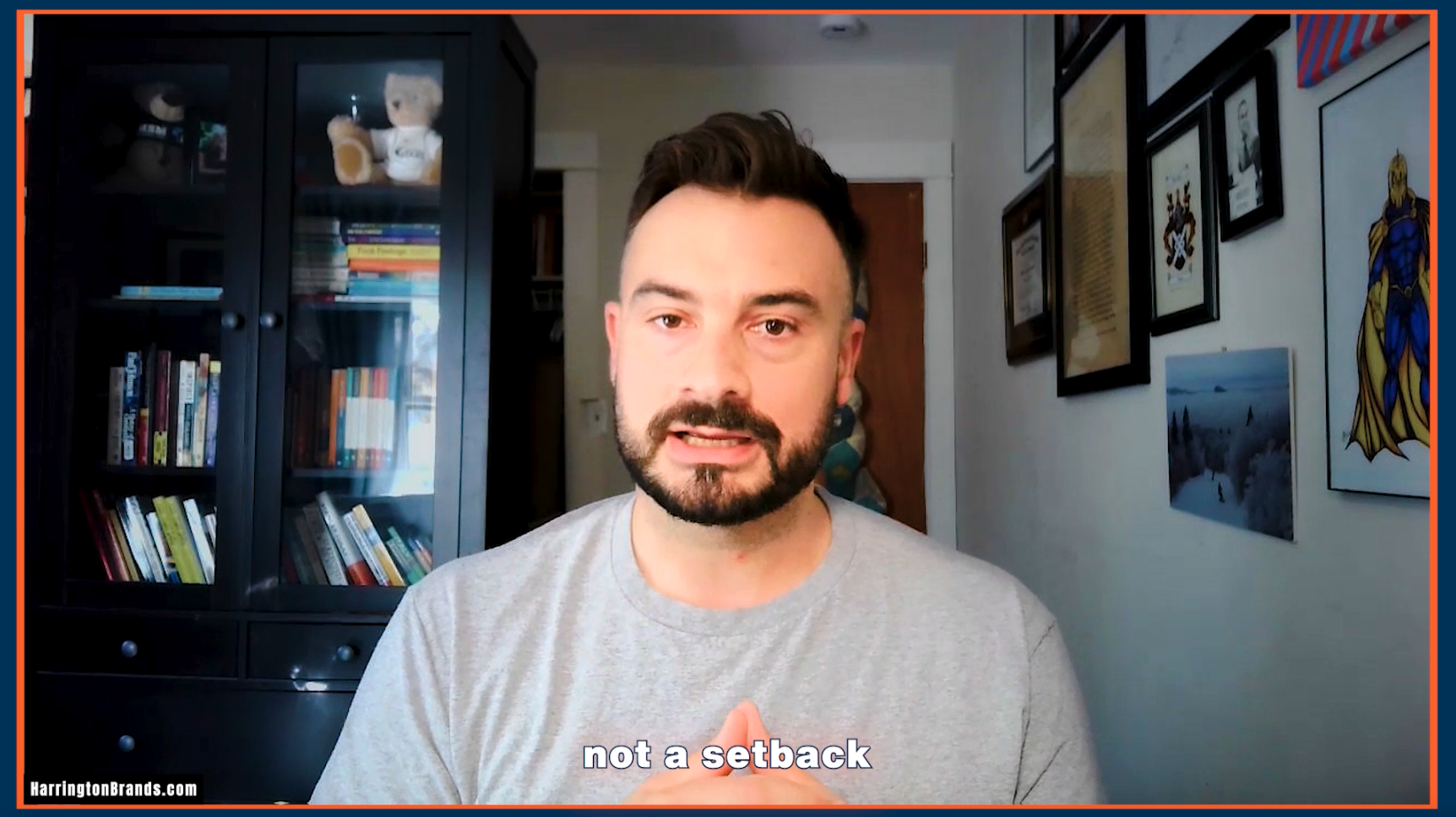
Team Conflict Resolution Protocol I Direct Application with Matt Harrington
In Episode 19 of Direct Application, Matt Harrington talks about something every leader faces (and few prepare for): conflict in teams.
We tend to avoid it or hope it just fades away. But healthy teams design for conflict before it happens.
In this episode, I break down how to:
Recognize that conflict is a signal, not a setback
Use clarity to keep emotion in check
Apply a simple, practical framework — the RISC–PAUSE model
Build a Conflict Resolution Protocol so your team knows how to disagree productively
The best teams don’t fear tension — they use it to grow trust, creativity, and innovation.
Listen to the full episode here: [link to Spotify/YouTube]
Read the companion blog: Conflict in Teams: Why It Happens and How to Handle It Productively
Download the free Conflict Resolution Protocol Template: HarringtonBrands.com/Templates

Conflict in Teams: Why It Happens and How to Handle It Productively
When you have eight to ten people on a high-stakes team, conflict is inevitable. What matters isn’t if you’ll run into it — but how you engage with it. Study after study shows unresolved workplace conflict drains productivity. One report found employees spend roughly 2.8 hours per week on conflict. But when a team accepts conflict as normal and builds a protocol around it, everything changes. This is your second protocol — the one that transforms conflict from destructive to generative.

Teams & Conflict I Direct Application with Matt Harrington
Conflict in teams isn’t something to fear—it’s a sign of growth. In this episode, Matt Harrington unpacks Bruce Tuckman’s famous storming stage of team development and explains why conflict is not only natural but necessary. Healthy disagreement signals that a team is maturing, moving beyond surface-level cooperation, and learning to navigate real challenges together.

Leading the Disgruntled: How to Cultivate Renewal in Your Senior Team
In our Greenthumb Leadership framework, Stage 3 is called Disgruntled. These are your seasoned professionals. They’re knowledgeable. They’ve been in the system long enough to know how it works—and sometimes, how to work around it. But they’re tired. Jaded. Resistant. These are the overgrown plants in your garden. Once full of potential, they’ve picked up weeds, disease and bugs along the way: resentment, cynicism, and detachment. The real problem with Disgruntled C-suiters? They often hold the most power, most influence and most control. And, in that respect, they can be the most dangerous.