Weekly Posts and Insights
Leading When No One Has to Listen to You: What volunteers have taught me about leadership, trust, and the limits of authority
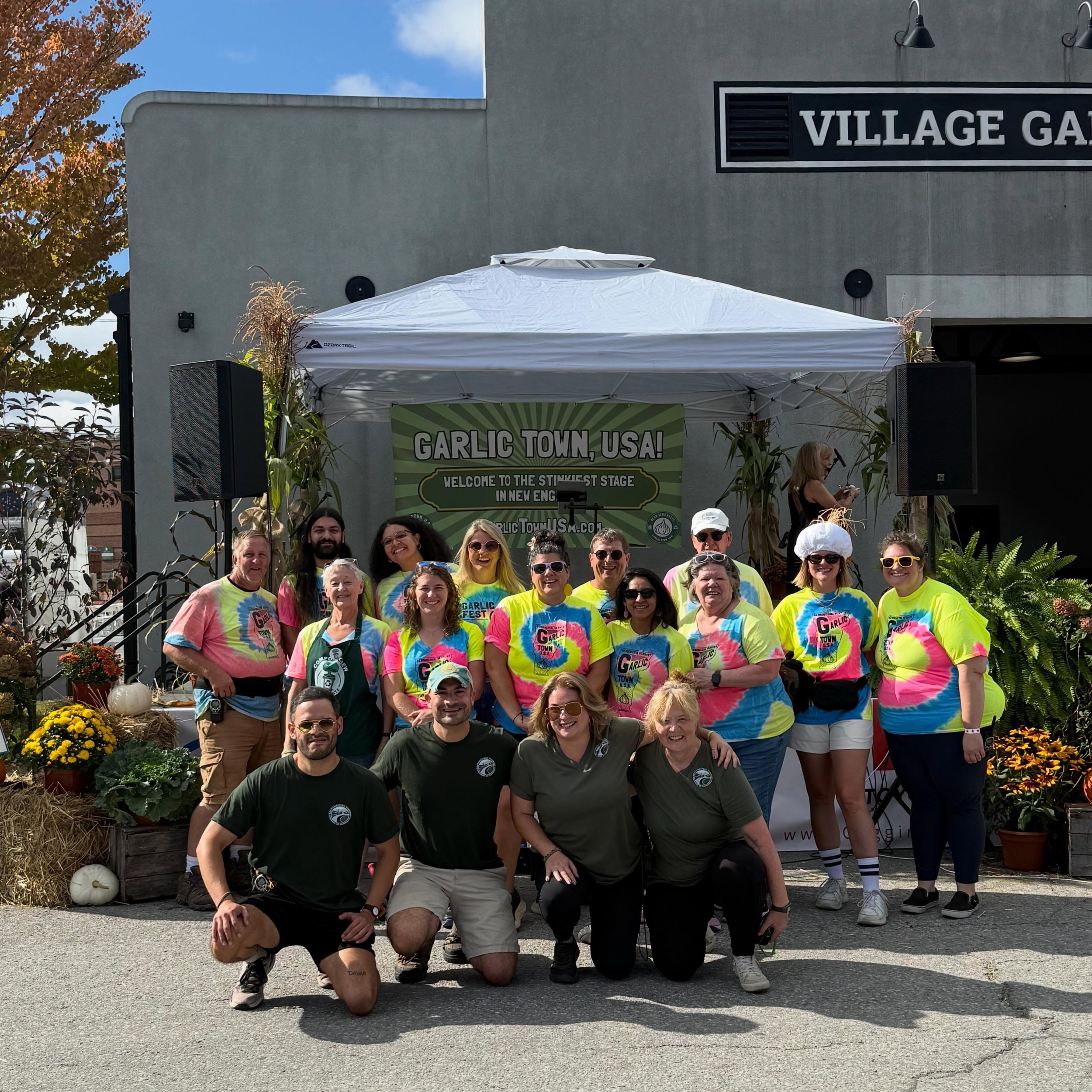
For much of my career, I have lived at the intersection of professional management and volunteer leadership. As CEO of a Chamber of Commerce, I work with boards, committees, community leaders, event volunteers, business owners, and civic partners. Through Harrington Brands, I also train supervisors, employees and leaders. The longer I do this work, the more convinced I become that leading volunteers (unpaid people) is one of the purest tests of whether someone can actually lead, because the people in front of you are not being paid to listen to you!
The Leadership Shift: Renew Yourself, Raise Your Altitude
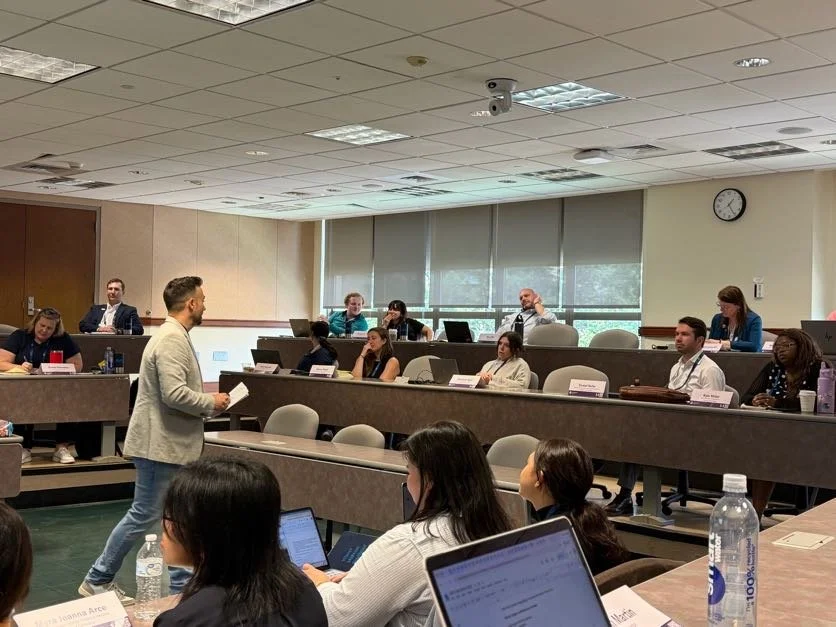
This past week, I returned to the U.S. Chamber of Commerce’s Institute for Organization Management as a faculty member at the Northeast Institute. Across the courses, I had the opportunity to work with more than 90 chamber, association, and nonprofit leaders, and I learned as much from your questions, stories, and experiences as I hope you learned from me.
We covered delegation, empowerment, organizational relevance, and innovation. Yet two ideas seemed to resonate most deeply with you all:What is the personal cost of leadership for you? Are you still working as an operator when your organization now needs you to become a strategist?
How Do We Build Organizations That People Still Want To Belong To, Contribute To, and Lead - What I’m Teaching at Institute This Week
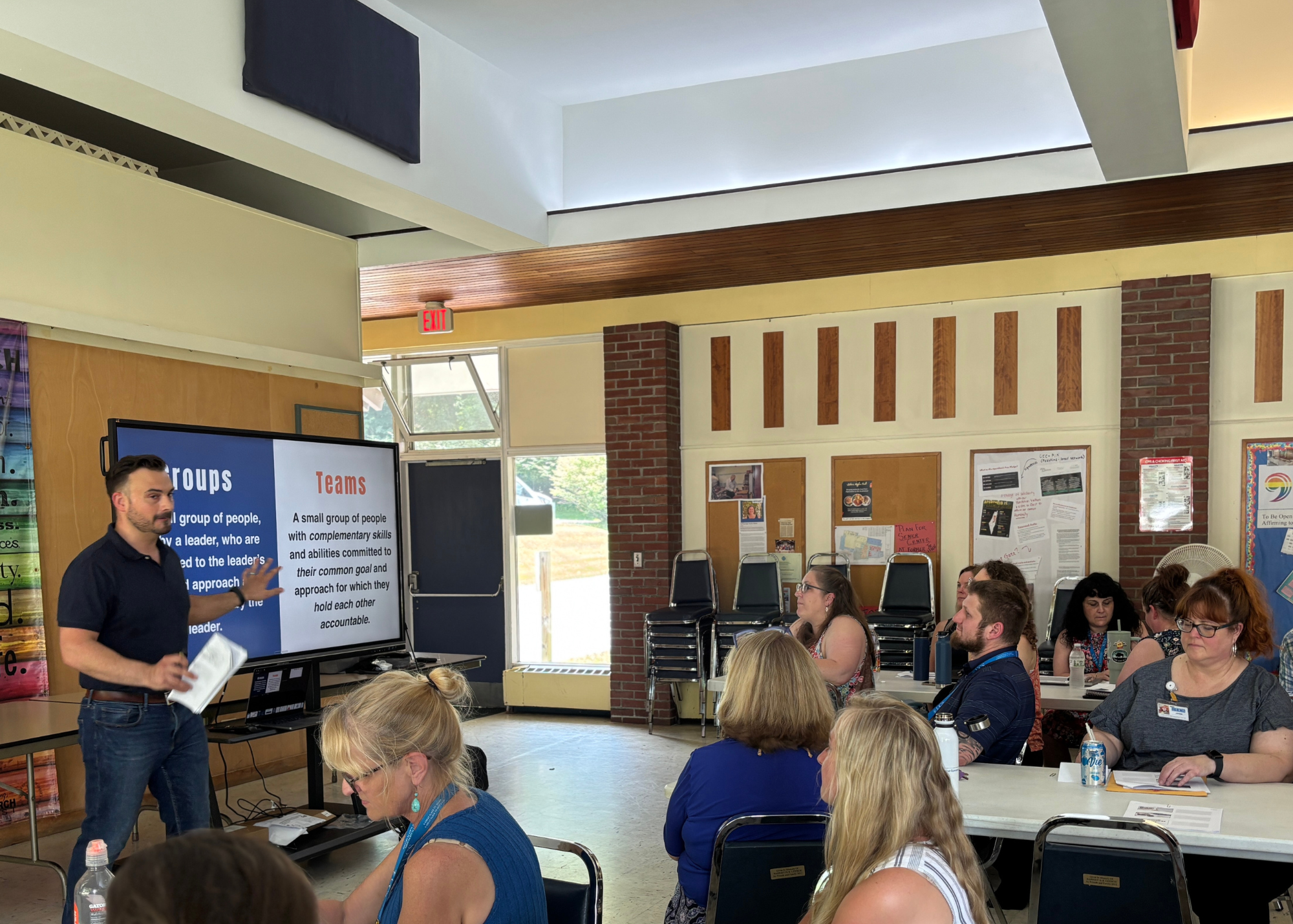
I am returning to Northeast Institute for Organization Management as a faculty member, teaching four courses that, on the surface, address different parts of organizational leadership: membership, organizational relevance, delegation, and innovation. Yet, despite the range of experience in the room and the different subjects I’ll be teaching, all four courses are asking versions of the same question: How do we build organizations that people still want to belong to, contribute to, and lead?

When Burnout and Aversion to Challenges Become the Culture
Because change is not slowing down. The organizations that survive will not be the ones with the most sophisticated complaints. They will be the ones that can still look at a challenge, gather the right people, test a better way, and move forward.

Leadership in an Age of Uber Feedback, Cynicism, and Overreaction
Providing feedback has become a badge of honor worn by professionals, thought leaders, roundtable participants, doctors, community members, internet trolls and the like. While critique certainly has an important role in healthy organizations and healthy democracies, something changes when commentary itself becomes the product. In many ways, we are no longer participating in conversations. We are participating in performances.

The Hidden Chain Behind Innovation and Conflict
Innovation, by its very nature, requires disagreement. It requires uncertainty. It requires people saying things out loud that may not work, may not be popular, or may challenge the status quo. And the moment human beings begin challenging assumptions, introducing new perspectives, or pushing against old ways of thinking, something naturally appears: conflict.
Why Roundtables Build Better Leaders
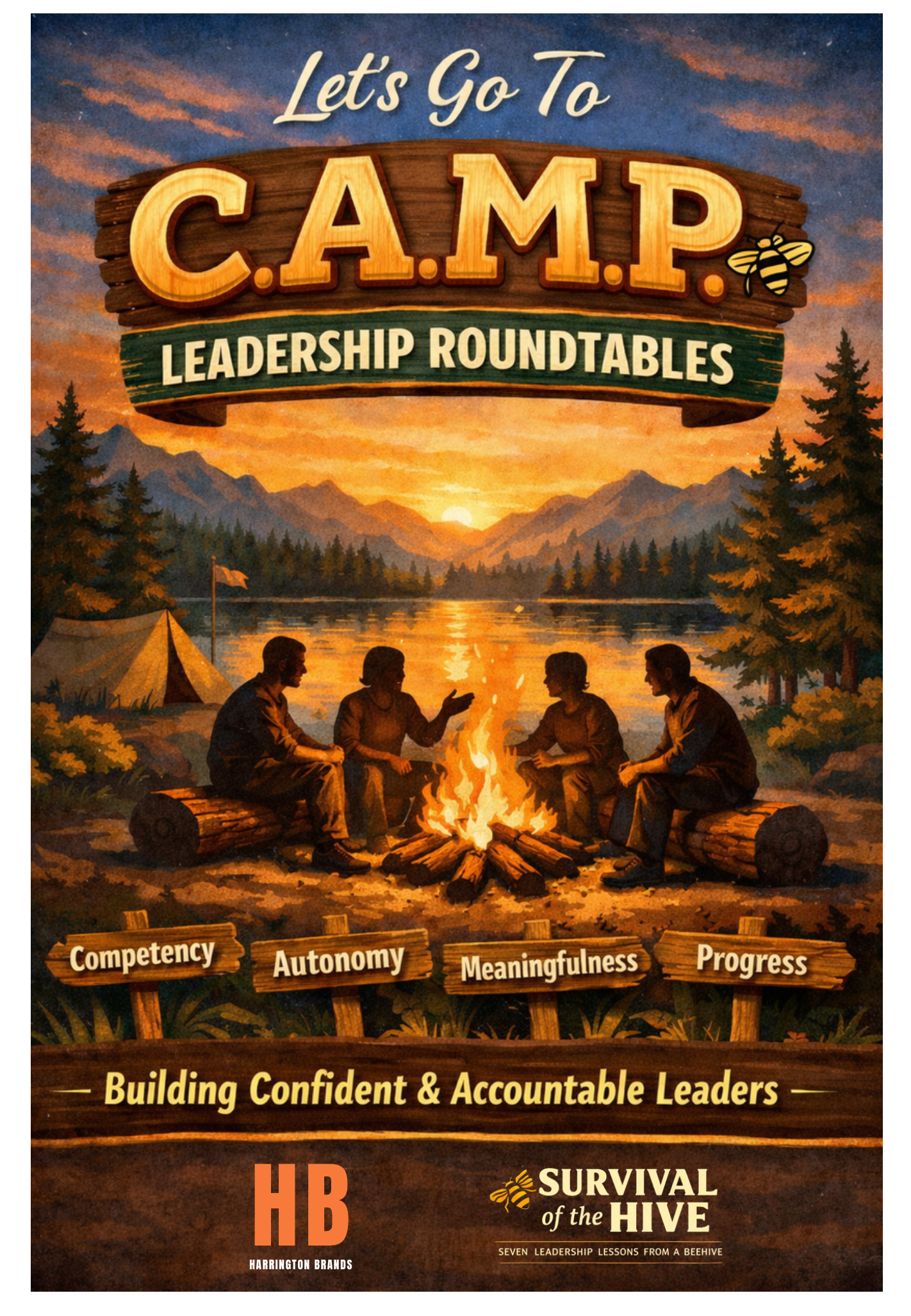
That’s why the leadership roundtable model has become one of the most powerful tools we use at Harrington Brands. It blends short-form training, peer coaching, facilitated discussion, journaling, reflection, accountability work, practical experiments, and real-world leadership application into one integrated experience. The result? Leadership development that actually sticks.

Not Every Door Opens With the Same Key
One of the quiet frustrations of growth is assuming that one breakthrough person, one hard conversation, one book, or one season of insight should unlock everything in us. It rarely works that way. More often, growth happens like walking through an old house with a ring of partial keys. One key opens the door to better boundaries. Another opens emotional regulation. Another reveals grief, agency, confidence, or the courage to stop becoming someone you were never meant to be.

Tyranny of the Urgent
The Tyranny of the Urgent is not simply a time-management problem, it is a leadership problem. It shows up when visible, noisy, emotionally loaded, short-horizon demands consistently displace slower, less dramatic, but more consequential work: strategy, talent development, culture, thinking, renewal, and the future. The tyranny of the urgent is the repeated surrender of mission-critical work to short-term pressures that feel immediate but do not deserve disproportionate control over attention, energy, and decision-making.

Don’t Empower Too Early
Real empowerment is not the first move of leadership development. It is the earned result of a process. First, we include people in meaningful spaces. Then we engage them in real work with support. Then, over time, we empower them to own it. That is how mature workers are formed. That is how confidence becomes competency. And that is how leaders stop mistaking exposure for readiness.