Weekly Posts and Insights

Tyranny of the Urgent
The Tyranny of the Urgent is not simply a time-management problem, it is a leadership problem. It shows up when visible, noisy, emotionally loaded, short-horizon demands consistently displace slower, less dramatic, but more consequential work: strategy, talent development, culture, thinking, renewal, and the future. The tyranny of the urgent is the repeated surrender of mission-critical work to short-term pressures that feel immediate but do not deserve disproportionate control over attention, energy, and decision-making.

Don’t Empower Too Early
Real empowerment is not the first move of leadership development. It is the earned result of a process. First, we include people in meaningful spaces. Then we engage them in real work with support. Then, over time, we empower them to own it. That is how mature workers are formed. That is how confidence becomes competency. And that is how leaders stop mistaking exposure for readiness.

Lead Within: The Art of Changing Systems Without Losing People
Most leaders eventually face the same tension: Do I spend my energy attacking the system from the outside, or changing it from the inside? This week’s Brief is about that difficult middle space, the space between idealism and pragmatism. The strongest leaders do not confuse patience with passivity, nor conviction with chaos. They learn the system they are in, understand its pressure points, and steadily move people toward a better future without losing the trust of those still living in the present one.

Accountability Makes People Uncomfortable
HB Weekly Leadership Brief
Week of March 9, 2026
Every organization eventually reaches a moment where the systems are in place, the plans are written, and the resources have been invested — yet progress still stalls. At that point, the issue is rarely about strategy. It is leadership.

Lead at the Right Altitude (Stop proving. Start scaling.)
What am I still doing because it makes me feel valuable, but actually limits our growth and my effectiveness as a leader?
Most executives don’t struggle with effort. We struggle with identity. For many of us, our early career success came from outworking others, doing it ourselves, being detail obsessed and fixing what others couldn’t (or didn’t want to). Gold Star! That’s how we got here. But that same identity becomes dangerous at scale.
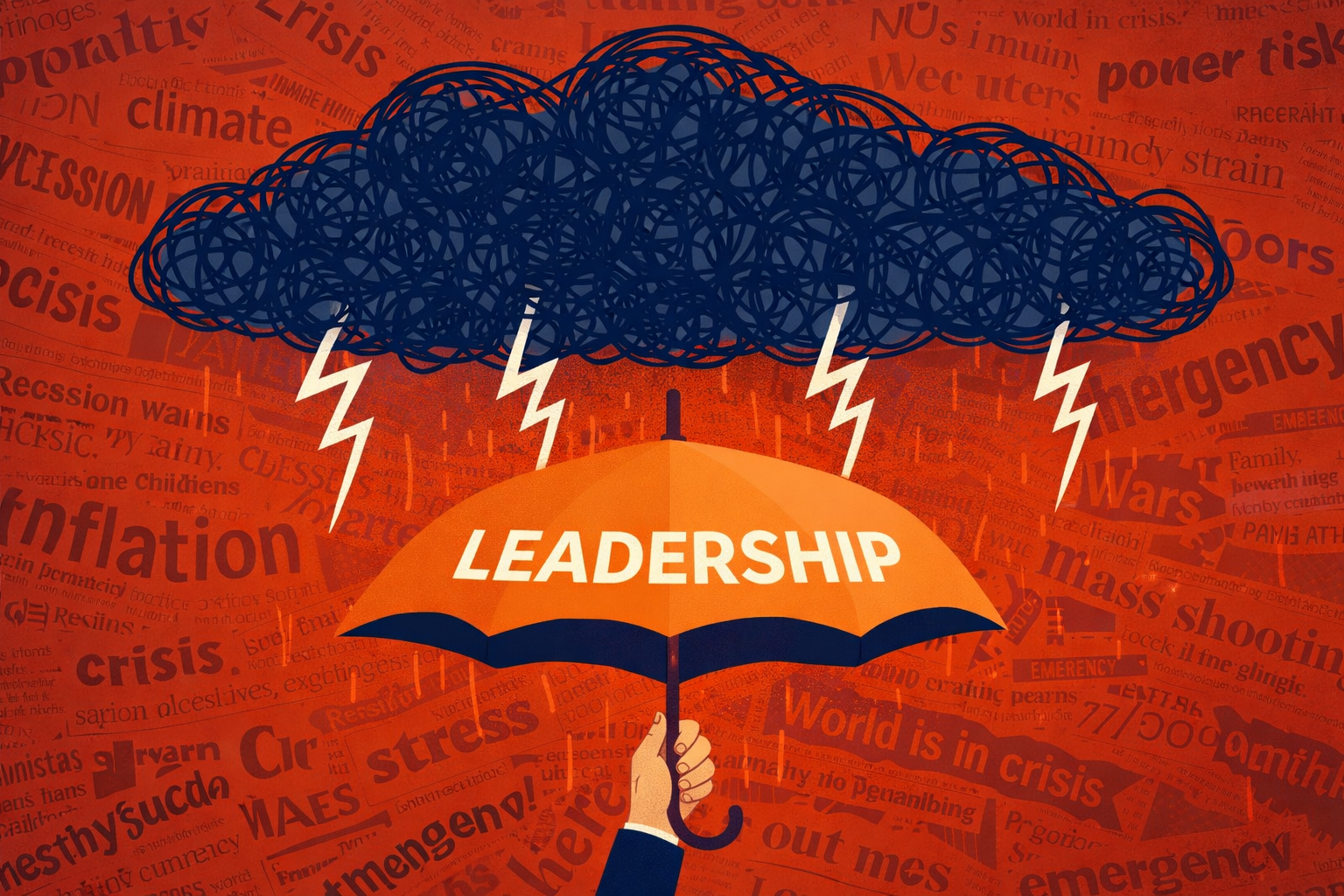
Leading in a Loud World
A week or so ago, my wife sent me an Instagram clip featuring Sharon McMahon, #1 New York Times bestselling author, civics educator, and creator of The Preamble newsletter, in conversation with Dylan Michael White of @dadchats. As parents, coaches, friends, neighbors, and leaders, I think many of us are carrying a similar quiet belief: I’m not doing enough right now. We’re not present enough. Not mindful enough. Not showing up the way we think we should. And what we’re missing is context.
A Privilege to Lead
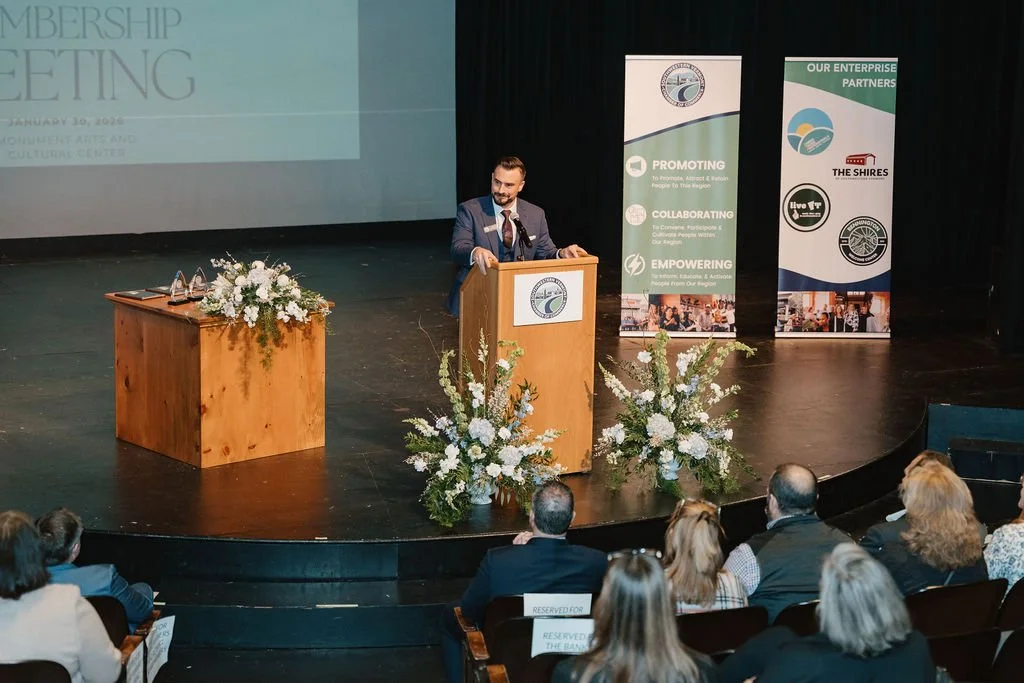
Leadership is a privilege, but it can also be a drain. Not because it’s wrong or misaligned, but because leadership requires presence, judgment, emotional regulation, and decision-making long after others have clocked out. Over time, even meaningful leadership can leave us running on fumes. That doesn’t mean you’re failing; it means you’re human. One of the quiet responsibilities of leadership is knowing when it’s time to refuel.

“What's your plan?”
One of the most consistent leadership moves you see from Dr. Robby of hit show “The Pitt” is deceptively simple. When chaos hits, when mistakes happen, when emotions run high, he looks at his team and asks a single question: “What’s your plan?” That question does something powerful. It shifts people into ownership. It communicates trust without removing accountability. Dr. Robby doesn’t rescue his team, but he doesn’t abandon them either. He coaches in real time.

Tough Minds, Tender Hearts: Why High Standards Require High Support
If the expectation is excellence, then the work required to get there usually involves risk: trying a new approach, initiating hard conversations, innovating, confronting conflict, stretching beyond comfort, and showing up daily with discipline. That’s not a small ask. So a reasonable person will quietly assess one thing before committing to that level of effort: Do I believe my leadership (manager, boss, board, etc.) has my back?

Trust and Credibility and Why They Still Matter
When we talk about what makes communities and organizations truly successful, the first place we should look isn’t strategy documents, technology stacks, or growth plans. It’s our people — and more specifically, how we lead them. Organizations that thrive don’t do so because they’re well-funded, have better technology, or are lucky; they do so because they have the right leaders in the right positions, leaders who are able to capitalize on talents, communicate a clear and compelling vision, rally support — and build trust. This was true yesterday. It’s true today. It will be true tomorrow.